
Themes and Resources
Our current strategy defines three interconnected outcomes: Prosperity, Rights, Governance. To fullfil these outcomes, we organise our work into three categories: Priority topics, transversal topics and resources. Our priority themes focus on labour migration, financial inclusion, climate change, urban migration, social protection, and the role of diaspora communities. Our transversal topics focus on gender, the involvement of the private sector, and the empowerment of migrant voices. Our resources provide further reading material on key reports, trends and policies.
Our strategic document
SDC's Programmatic Framework on Migration and Forced Displacement 2025–2028
Migration is a priority in Switzerland’s International Cooperation (IC) Strategy 2025–2028, which aims to create conditions for safe and regular migration, improve integration and protection, and strengthen migration’s contribution to development.
Migration et déplacements forcés : Cadre programmatique 2025–2028 de la DDC
La migration est une priorité de la stratégie de coopération internationale (CI) 2025–2028 de la Suisse, avec pour objectifs de créer les conditions d’une migration sûre et régulière, d’améliorer l’intégration et la protection, et de renforcer la contribution de la migration au développement.
Priority Topics

Labour Migration and Decent work for Migrants
Labour migration is a critical driver of economic resilience, growth and prosperity. Among the estimated 281 million international migrants, nearly 60% are labour migrants.

Remittances and Financial Inclusion
In 2023, global remittances exceeded USD 669 billion showcasing their substantial economic influence and their potential for financial inclusion of migrants.

Durable Solutions
Forced displacement is often protracted with an average duration of 20 years. Durable solutions are therefore critical to reduce protracted displacement and to restore fundamental rights of displaced populations.

Climate Change Related Mobility
Climate change and environmental degradation are reshaping migration and displacement, and are expected to do so even more in the future. Climate change could force 216 million people across six world regions to move within their countries by 2050.
Urban Migration
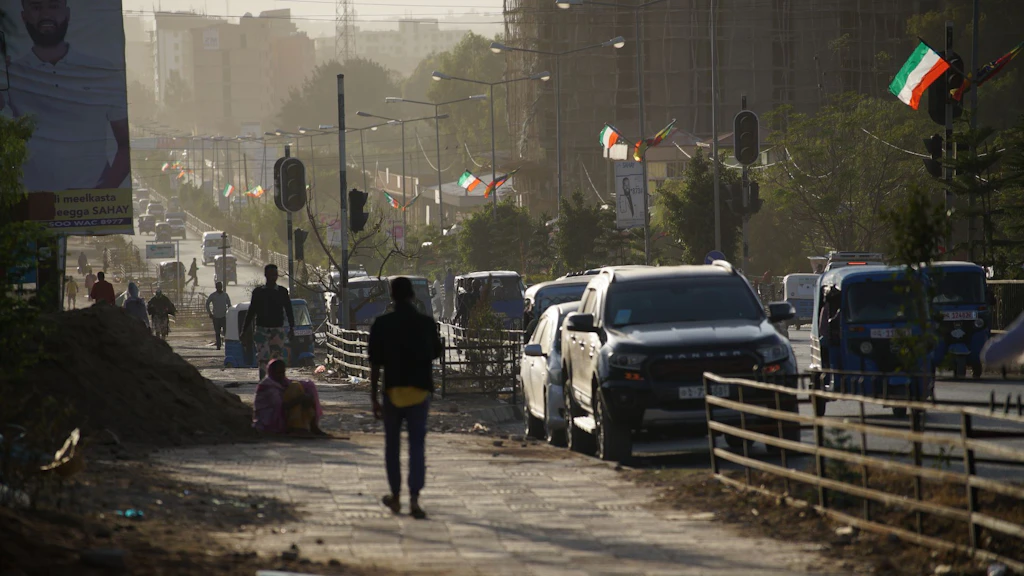
While migration is a global phenomenon. It's effects are particularly tangible at the local level where city actors are at the forefront of managing the challenges and opportunities of human mobility.

Social Protection for Migrants
In many countries migrant workers and forcibly displaced persons are not covered by social protection systems. The exclusion is not only a violation of human rights. It also has socio-economic repercussions on migrants and society as a whole.

Role of Diaspora
Migrants and their descendants maintain links with their homelands and make important contributions to the sustainable development in their country of origin.
Transversal Topics

Gender and Migration
Migration as well as displacement are deeply gendered experiences. The gendered aspects of migration and displacement therefore need to be considered throughout the migration cycle.

Private Sector Involvement
Throughout the migration cycle, the private sector plays a critical role in migrants’ access to safe and decent work and in unlocking the development potential of migration.

Migrants Voices and Empowerment
How we perceive and speak about migrants and migration plays a fundamental role in guaranteeing equality and the protection of human rights of migrants and forcibly displaced persons. That’s why migrants’ voices are critical.
Resources and More

General Resources and Flagship Reports
Find an overview of key reports, journals as well as links to migration-related academic and research institutions.

Global Trends in Migration
Migration is a global multifaceted phenomenon shaping the political, economic and social realities of millions of people around the world.

Policy Engagement
Switzerland contributes to a functioning migration and forced displacement gouvernance protecting migrants' rights, promoting their economic benefits and facilitating collective action.