
Global Trends in Migration
Migration is a global multifaceted phenomenon shaping the political, economic and social realities of millions of people around the world.
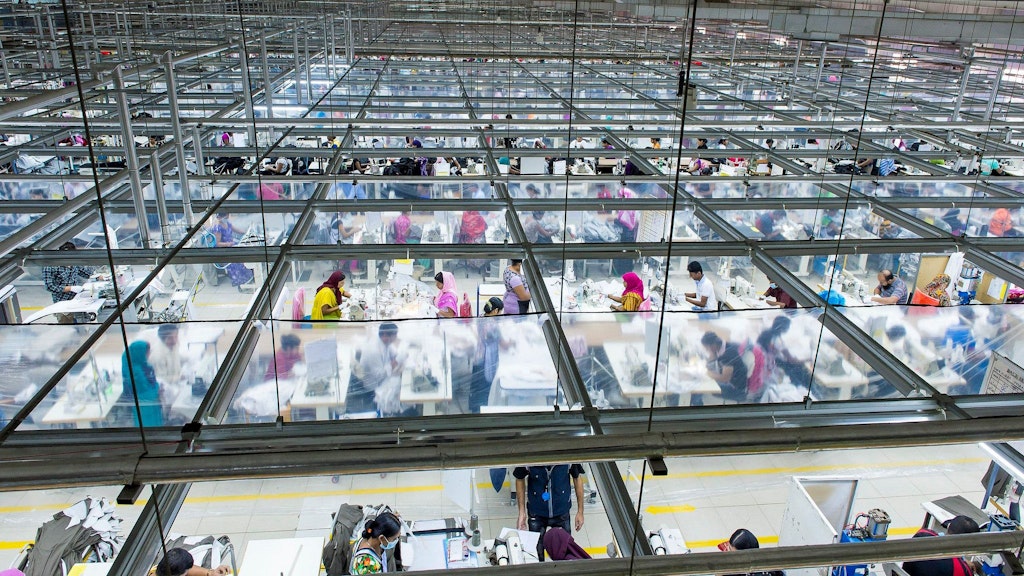
According to UN estimates, in 2024 there were 281 million international migrants globally. This equals about 3.6% of the world population and has remained stable over the past decades. Nearly half of the international migrants are women (IOM).
60% of migrants worldwide are labour migrants and mostly migrate through regular channels. Migrants bring skills, labour, remittances, investments and new ideas to their country of destination and origin. Migrants are estimated to produce more than 9% of the global GDP (McKinsey). In 2023, international remittances were up to USD 669 billion (World Bank), with the vast majority sent to low- and middle-income countries.
Millions of people are forced to leave their homes and countries for tragic reasons, such as conflict, persecution, political or economic instability or natural disasters. In 2023, there were 117 million displaced people in the world, and 75.9 million internally displaced people (IDMC).
Forced displacement but also unsafe and irregular migration journeys can prompt considerable political, social and humanitarian challenges, including additional strains on low- and middle-income countries, which host 75% of refugees (UNHCR).
IOM - World Migration Reports
The annual repots series
IDMC - Global Reports on Internal Displacement
The annual repots series
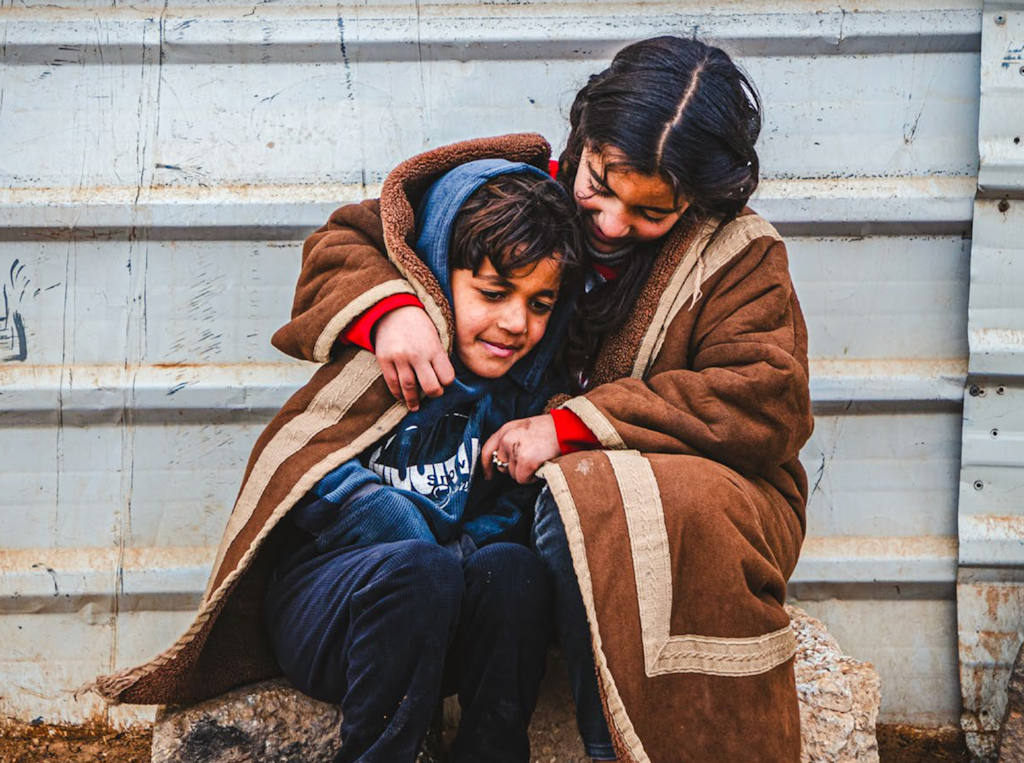
UNHCR Global Trends Reports
The annual reports series