
Gender and Migration
Migration as well as displacement are deeply gendered experiences. The gendered aspects of migration and displacement therefore need to be considered throughout the migration cycle.
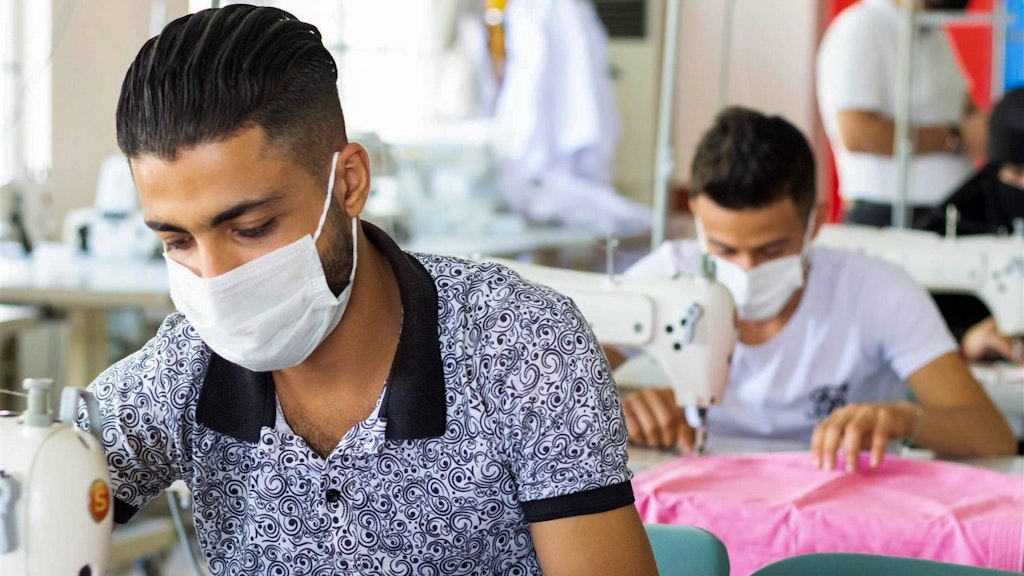
Migration of women is constantly increasing. Women and girl migrants generally tend to have less access to information, education, decision-making power, access to resources and therefore fewer options for regular migration, which puts them at greater risk of their human rights being violated, including exploitation, abuse and trafficking.
Female migrants also tend to be concentrated in unskilled, undervalued and low-paid sectors, often employed as domestic workers in hard-to-regulate private homes.
On the positive side, in addition to improving women’s autonomy, self-esteem and social standing, migration can also provide women and girls with new skills and their families with remittances.
SDC's Engagement
The SDC supports the elaboration of gender-responsive migration policies, systems and practices with the participation of women migrants.
It ensures equal access to specialized migration services including in contexts of forced displacement taking into account the special needs of women, girls and men and boys.
The SDC’s programmes also support market responsive and tailor-made skills training that enhance better work opportunities for women and men at lower risk of exploitation and abuse. It also provides access to financial services and financial literacy training for migrant women to strengthen women’s agency and decision-making power.
Contact us
Federal Department of Foreign Affairs (FDFA)
Eichenweg 5
Switzerland - 3003 Bern