
Remittances and Financial Inclusion
In 2023, global remittances exceeded USD 669 billion – more than three times the amount of official development aid- showcasing their substantial economic influence and their potential for financial inclusion of migrants.
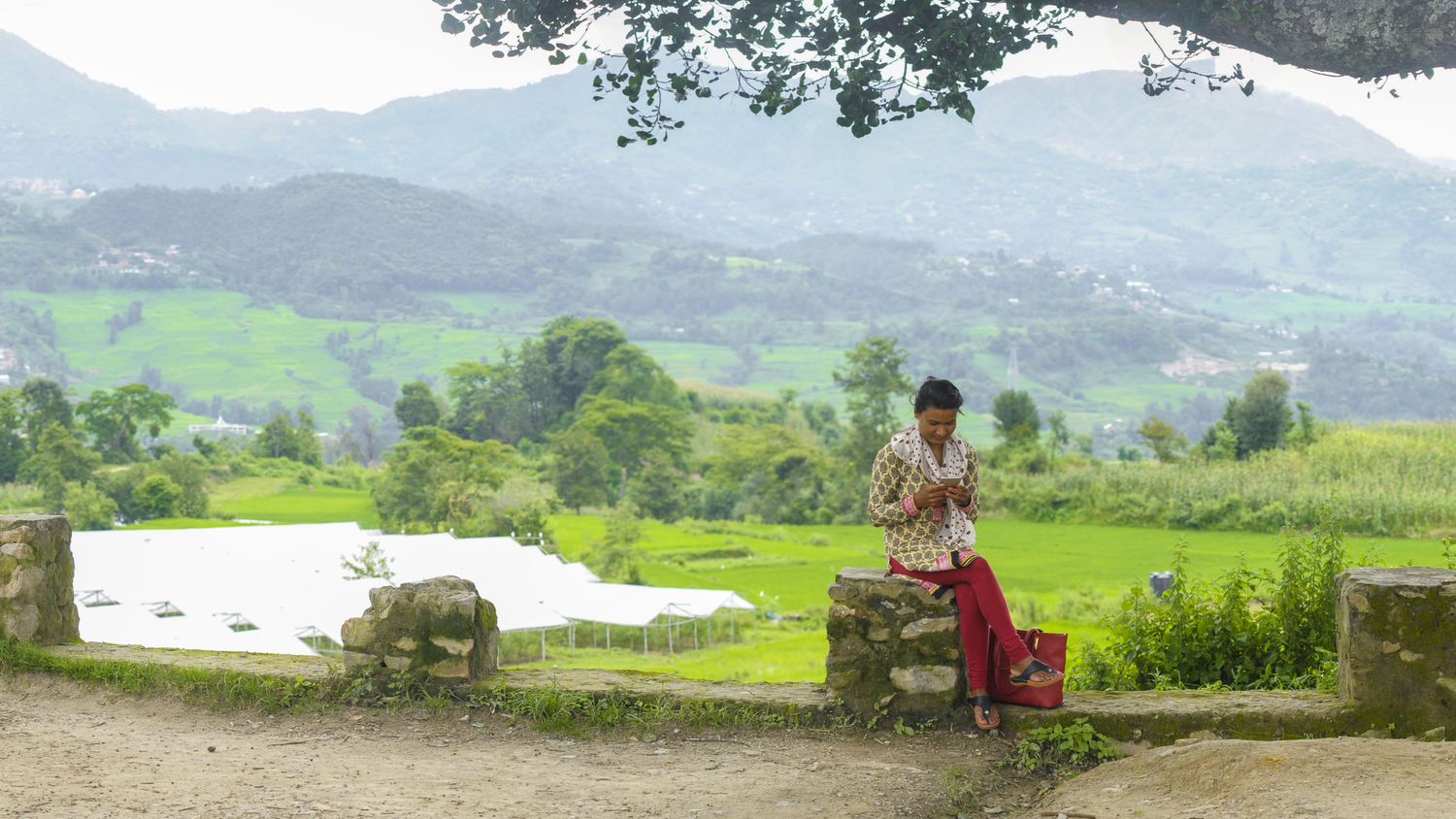
Remittances are a key driver for poverty alleviation in low- and middle-income countries; the money sent by migrants back home is a safety net for millions of people in the Global South. Yet, the way remittances are sent by migrants is often costly, unsafe and time-consuming.
On many occasions, sending or receiving remittances is the first and only contact with formal financial services and can thus support the financial inclusion of migrants and forcibly displaced persons. Access to such safe and affordable financial products enables migrants to effectively manage their earnings, to invest and integrate into their host country’s economy.
SDC's Engagement
The SDC works to bring digital remittances and financial services to un- or underserved migrants and forcibly displaced persons, especially migrant women, strengthening their productive role and decision-making power.
The SDC aims to promote inclusive digital transfer solutions and to develop remittance-linked financial products, such as saving accounts to invest in education, health or income-generating activities.
Certain projects follow a market-system development approach and include work on policy and regulatory reforms; other projects are piloting impact-linked finance products with Fintechs to have a particular focus on migrant women’s financial inclusion.
Downloads and Links
Documents
Links
Flagship Programmes
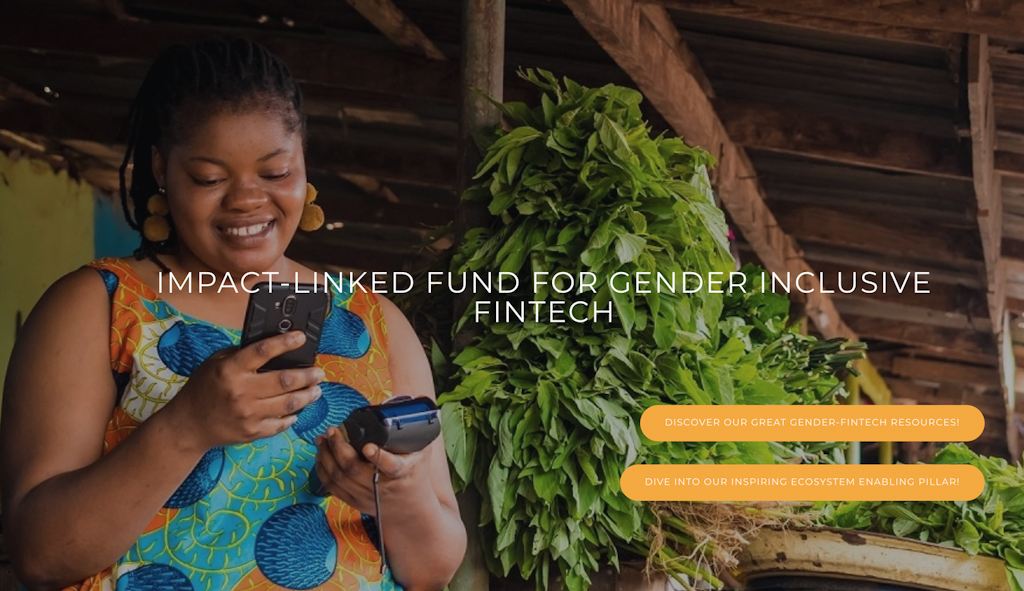
Impact Linked Fund for Gender Inclusive Fintech
Catalyzing women’s financial inclusion with Impact-Linked Finance
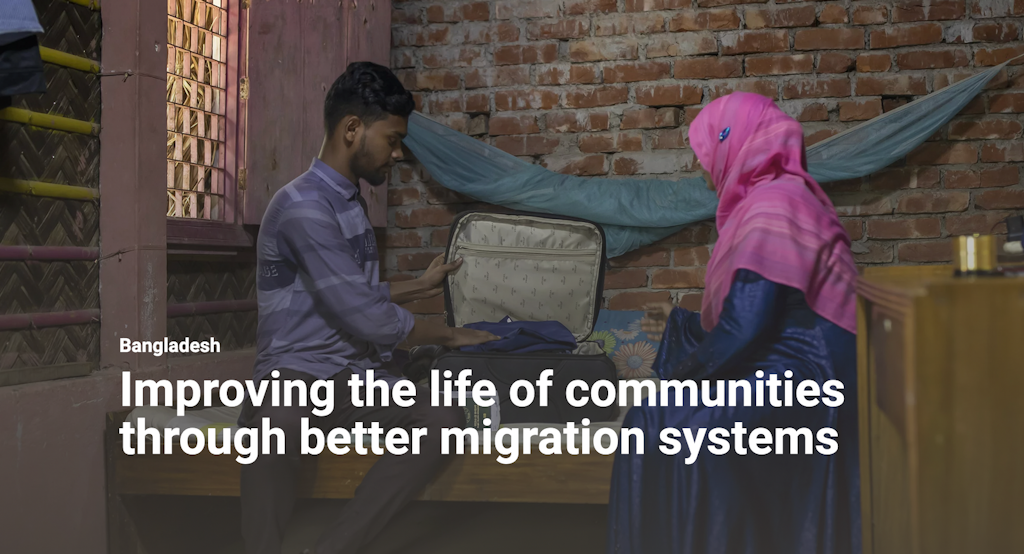
Strengthened and Informative Migration Systems - Bangladesh
Switzerland is interested in ensuring that international migration is regular, secure, respects human dignity and the rights of migrants.
Contact us
Federal Department of Foreign Affairs (FDFA)
Eichenweg 5
Switzerland - 3003 Bern